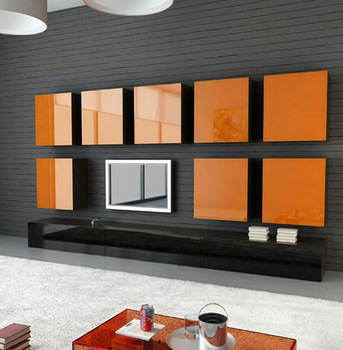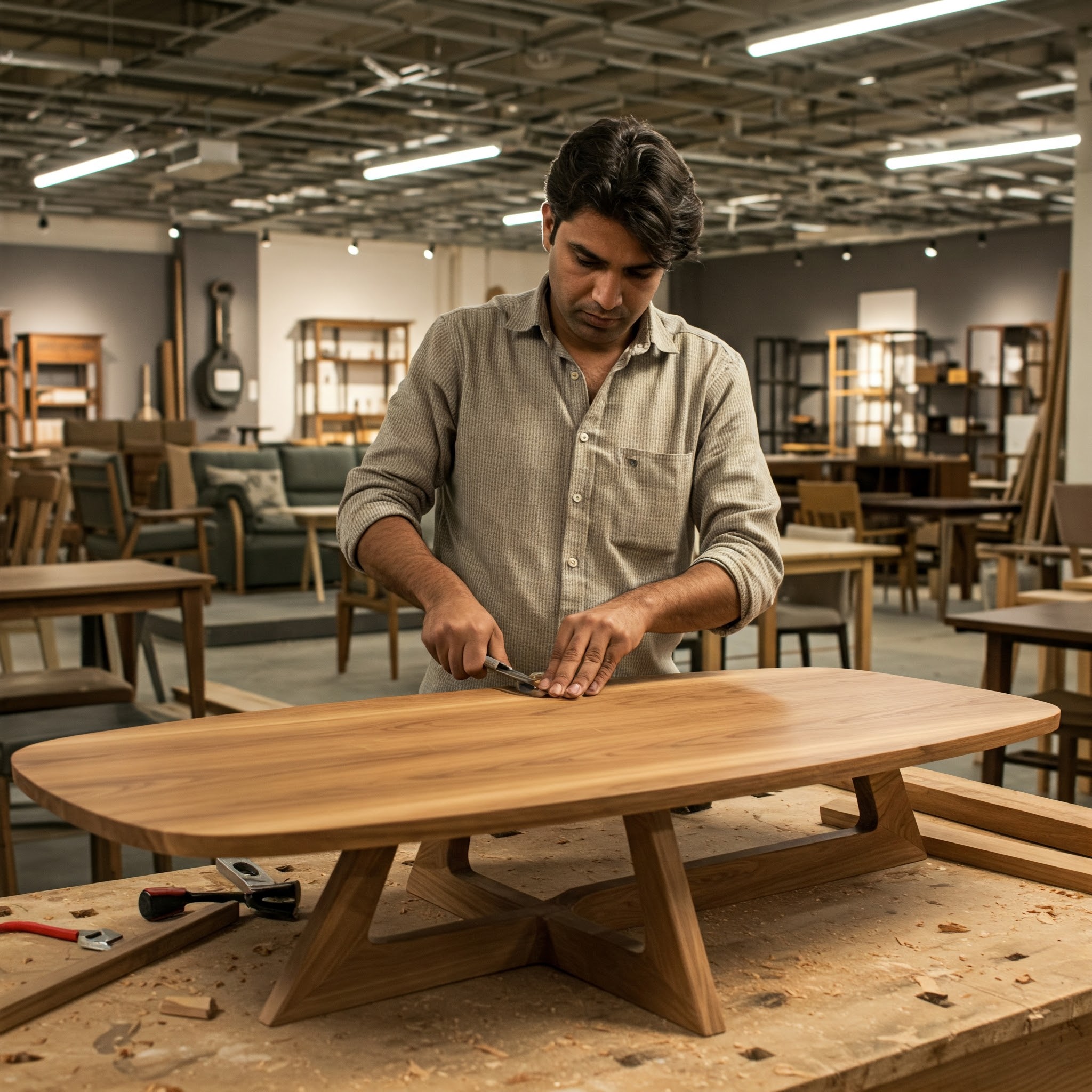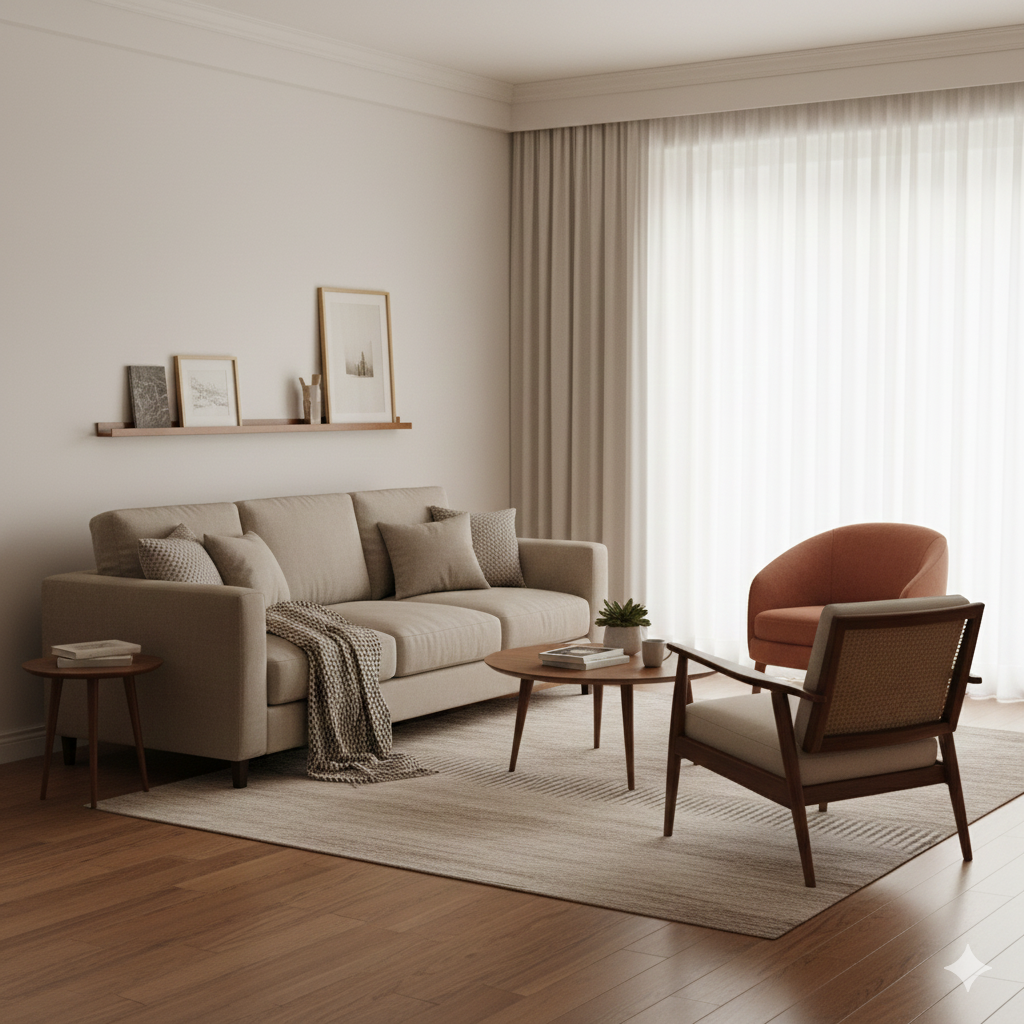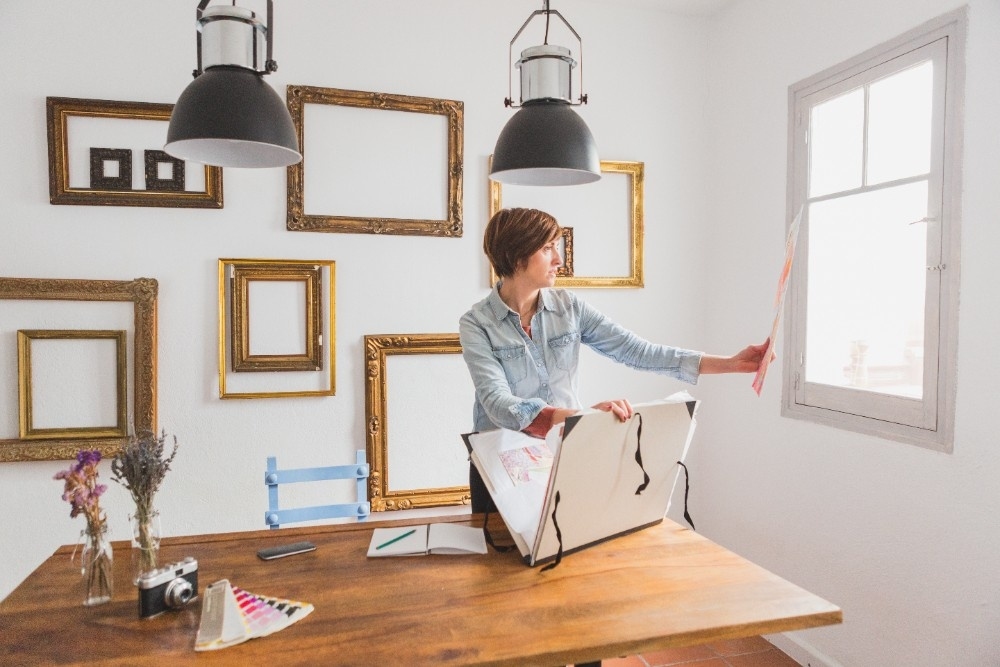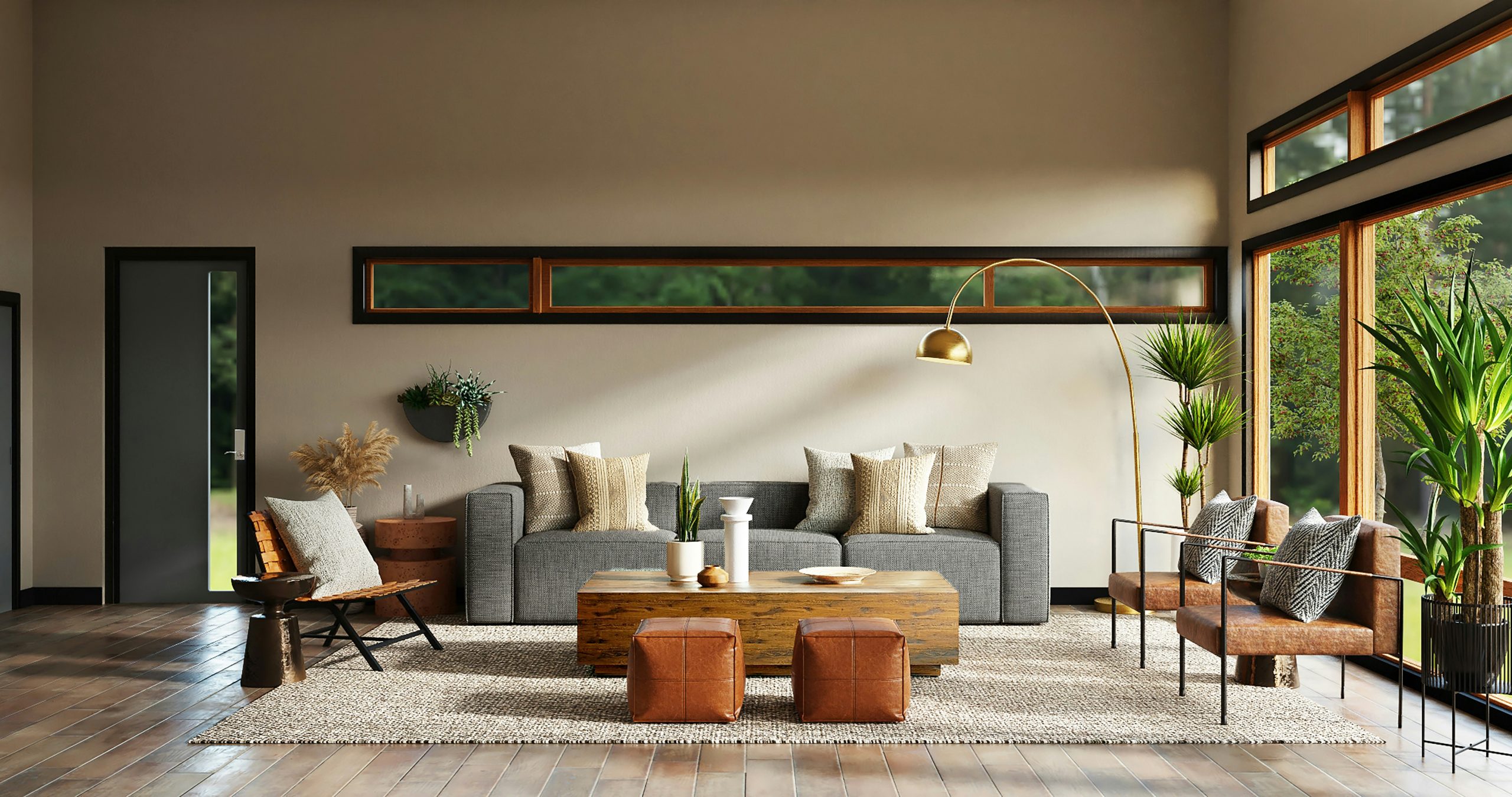
Back in March, I wrote about the dilemma of designing WITH, WITHOUT, or BY AI — half-provocation, half genuine uncertainty. I didn’t have an answer then. What I have now is a year of client conversations, AI-assisted mood boards that landed well and some that fell flat, and enough evidence to say something more useful than an open-ended blog post.
So here’s what actually changed in this last 1 year.
The AI got faster. Its judgment? … naah.
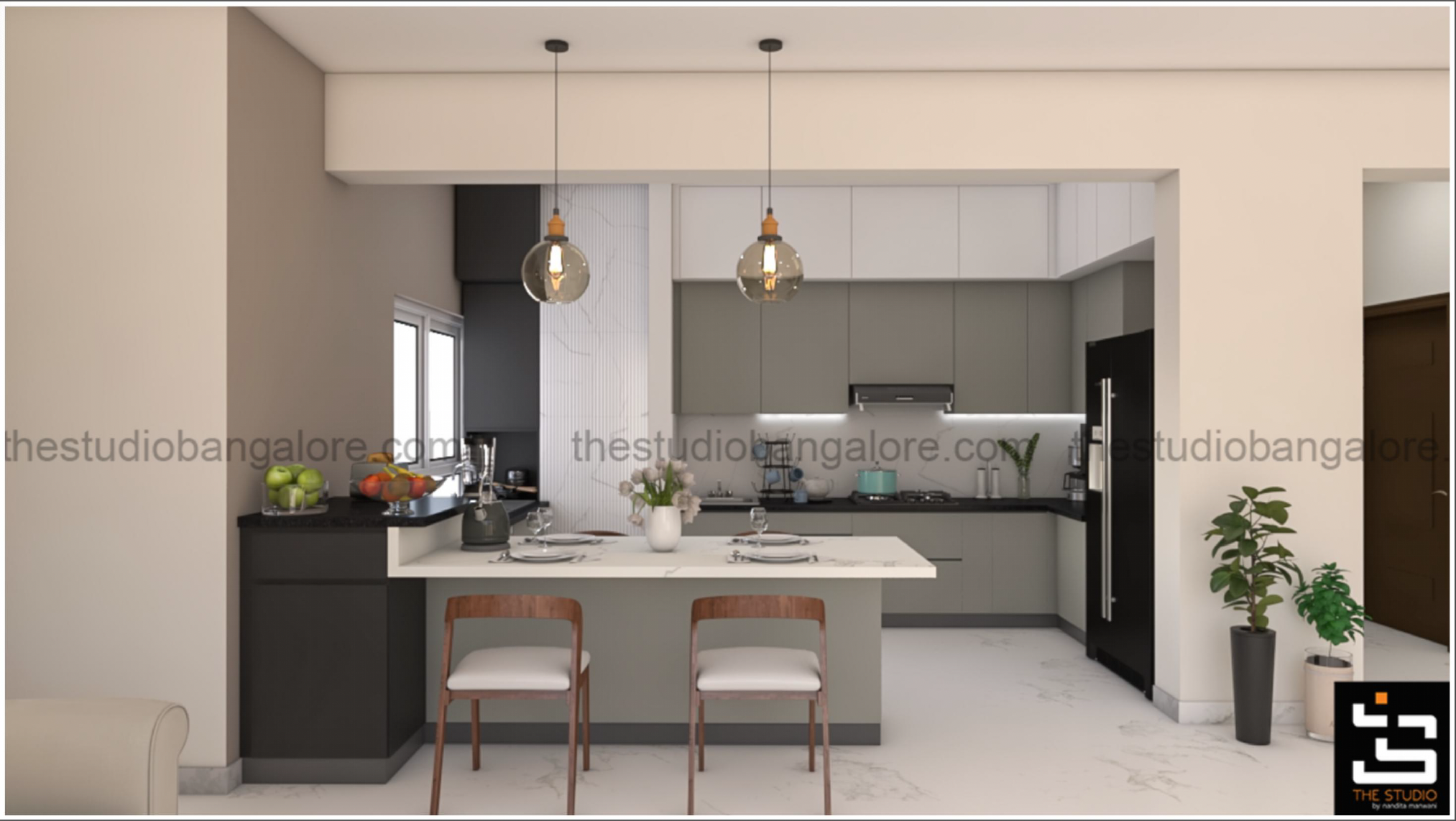
We use AI now the way we’ve always used an internal first draft — a starting point, half of which usually gets thrown away. Generate three kitchen layouts in the time it used to take to sketch one. Pull a colour palette from a photo a client loves. Rough out how a room might look with a different flooring tone before anyone commits time and money to it. All of this is genuinely faster, and there is no debate there.
What hasn’t changed is the part that actually matters: knowing that a family cooks non-vegetarian food for fourteen people every Dussehra and needs a completely different kitchen workflow than the brief suggests. Knowing that the “minimalist” reference image a client sent is aspirational, not how they actually live — that there are two dogs in the house and a habit of leaving shoes by the door. No tool sees that. It sees the aesthetic. Someone still has to see the family.
Clients are more AI-literate, and more anxious about it than we expected
The biggest shift isn’t in process; it’s in the conversation that now happens in the very first meeting. A year ago, nobody asked whether we used AI. Now, at least half our clients do — some hoping we say yes (“won’t it be cheaper/faster?”), some hoping we say no (“I don’t want a generic-looking home”). Both instincts are a little off. AI hasn’t made design cheaper, because the cost was never in generating options — it was always in the judgment, sourcing, and execution that turns an option into a livable home. And it hasn’t made design generic by default either; it’s definitely made lazy design more generic, the same way a bad designer working off a catalogue always produced generic homes, long before AI existed.
Where AI genuinely changed how we work
Three places, concretely:
- Early-stage visualisation. We can now show a client the design direction visually in the initial meetings instead of just discussing it. It’s cut down the “I don’t know what I want until I see it” back-and-forth considerably.
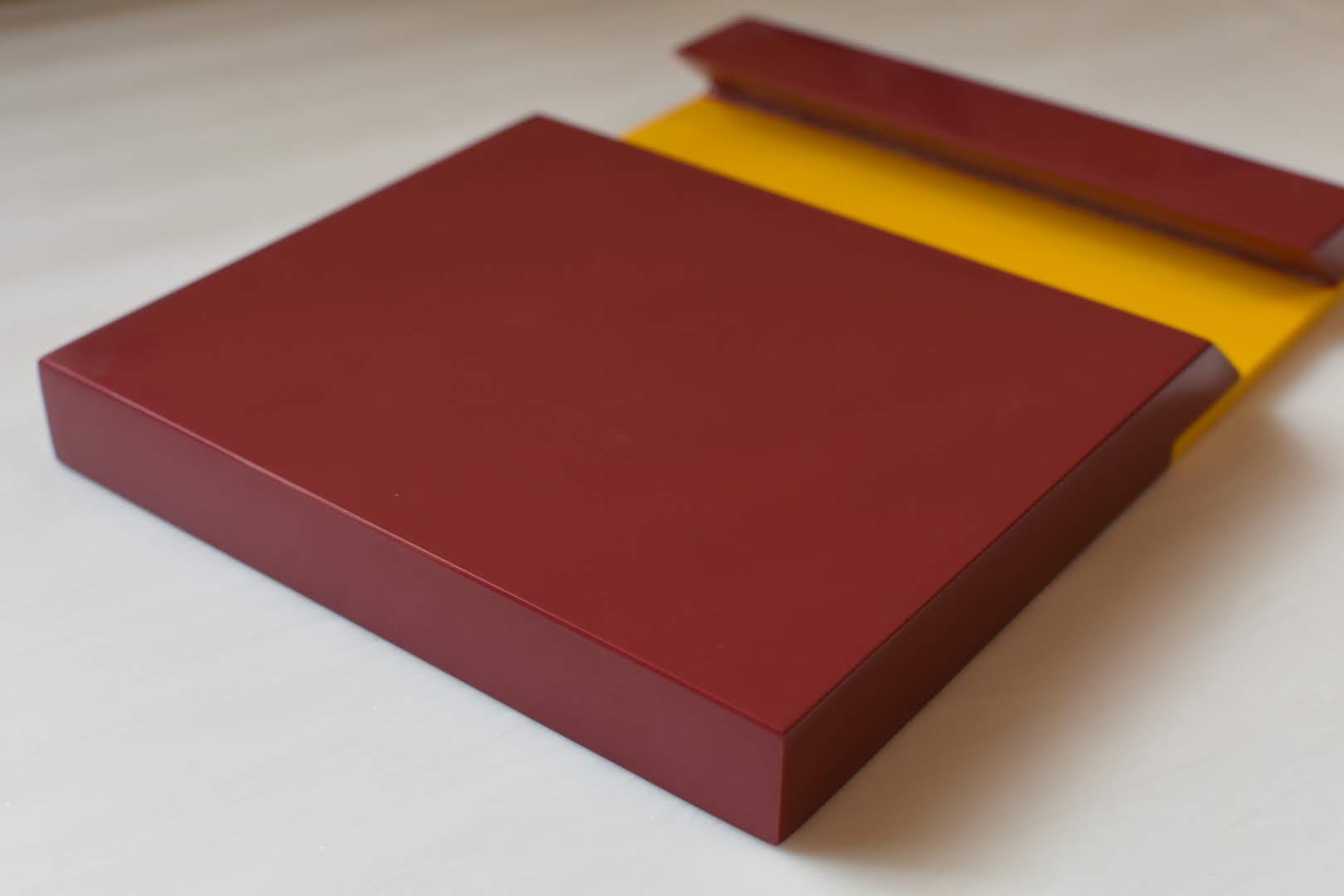
- Material and finish exploration. Comparing how ten wood finishes might look under a client’s actual lighting used to mean physical samples and guesswork. Now it’s a faster first pass – though we still run through the physical sample before anything gets approved, because screens lie about texture and grain enormously.
- Catching blind spots. Occasionally, running a space through a few AI-generated variations surfaces a layout idea nobody on the team had thought of. Not often. But often enough to be of value.
Where it hasn’t, and probably won’t
The actual execution — the negotiation with a carpenter about how a joint should be cut, the on-site call about whether the wall needs to move six inches or the cabinet, knowing when you walk into a space and sensing it’s not quite right even though you can’t say why — none of that has moved an inch. If anything, this year has sharpened a sense of where the real value in this work has always lived: not in producing images of rooms, but in the thousand small decisions, made by people who stay personally involved from first sketch to final installation, that turn an image not just into somewhere a family actually wants to come home to but also a space that will contribute to and fulfil their aspiration.
So, a year later — WITH, WITHOUT, or BY AI?
With. Firmly with. Never by. The “without” camp I understood a year ago as nostalgia; I understand it now as something closer to a fear that’s reasonable but, I think, misplaced. The tool isn’t coming for the craft. It’s coming for the parts of the job that were never really the craft to begin with — the parts that used to eat the hours that should have gone to the client instead.
If anything, AI has made it clearer what design actually is: not the generation of options, but the elimination of the wrong ones – a judgment call built on knowledge, experience and intuition that rests entirely with people who are truly involved and have dedicated themselves to the cause.
Signing off
Nandita
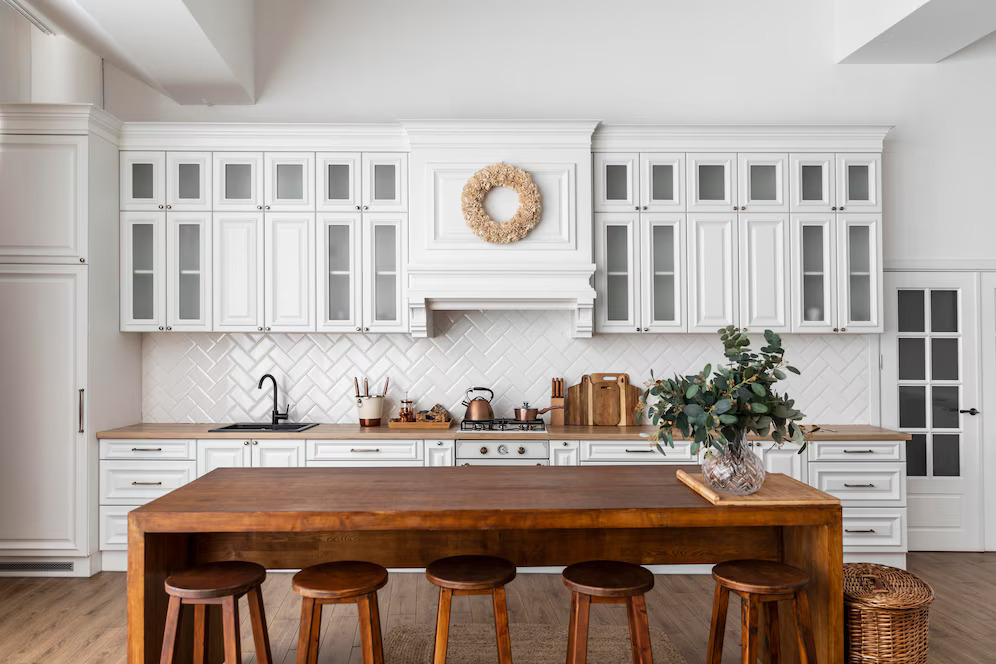
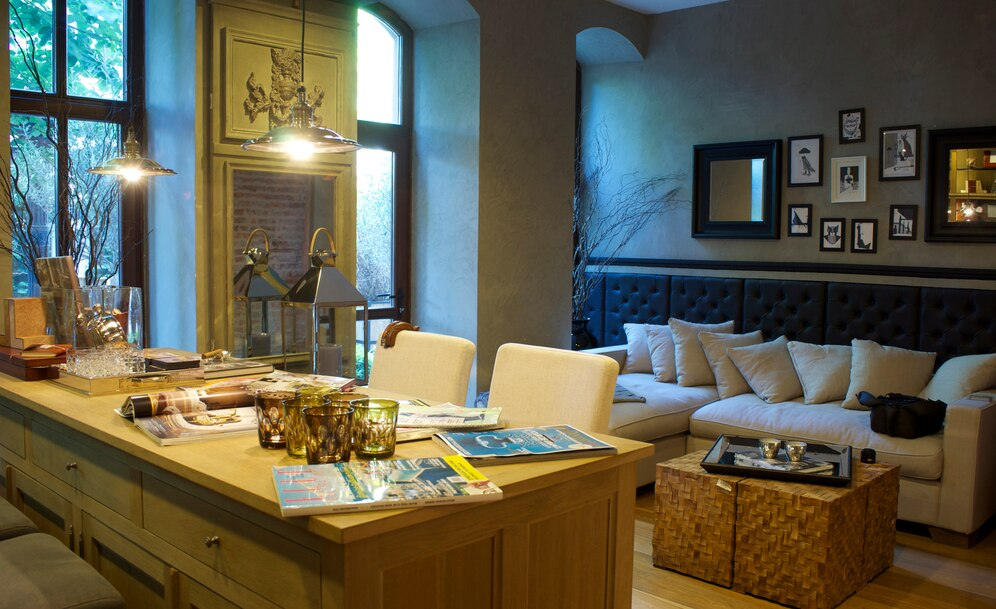
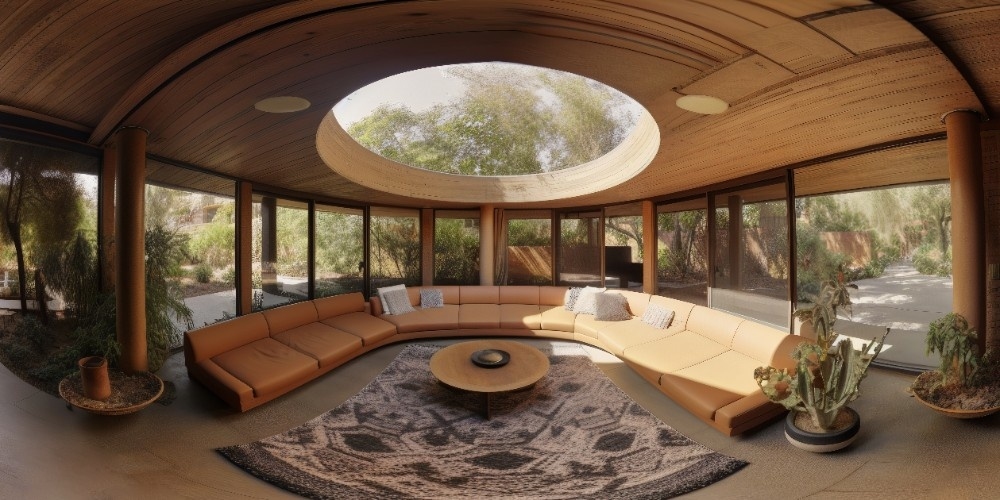
PS: Needless to say – the header image is AI-generated, the text is not. 😊